
English| EUR
Suggested for you
More currencies
Choose a language
The Island of the Dolls sits deep in Xochimilco's canal network, covered in thousands of weathered dolls that hang from trees, fences, and makeshift altars. The island's transformation from ordinary chinampa to eerie shrine is rooted in one man's decades-long ritual. Understanding the verified events behind Isla de las Muñecas separates folklore from documented fact.
Quick answer
The Island of the Dolls true story centers on Don Julián Santana Barrera, a farmer who moved to the remote chinampa in the 1950s and began hanging dolls to honor a girl who allegedly drowned in the adjacent canal. Over five decades, Santana collected and displayed thousands of dolls—many damaged, dismembered, or left by visitors—until his death in 2001. While the drowning itself lacks official records, Santana's ritual and the island's physical transformation are documented, making it a genuine if macabre historical site.
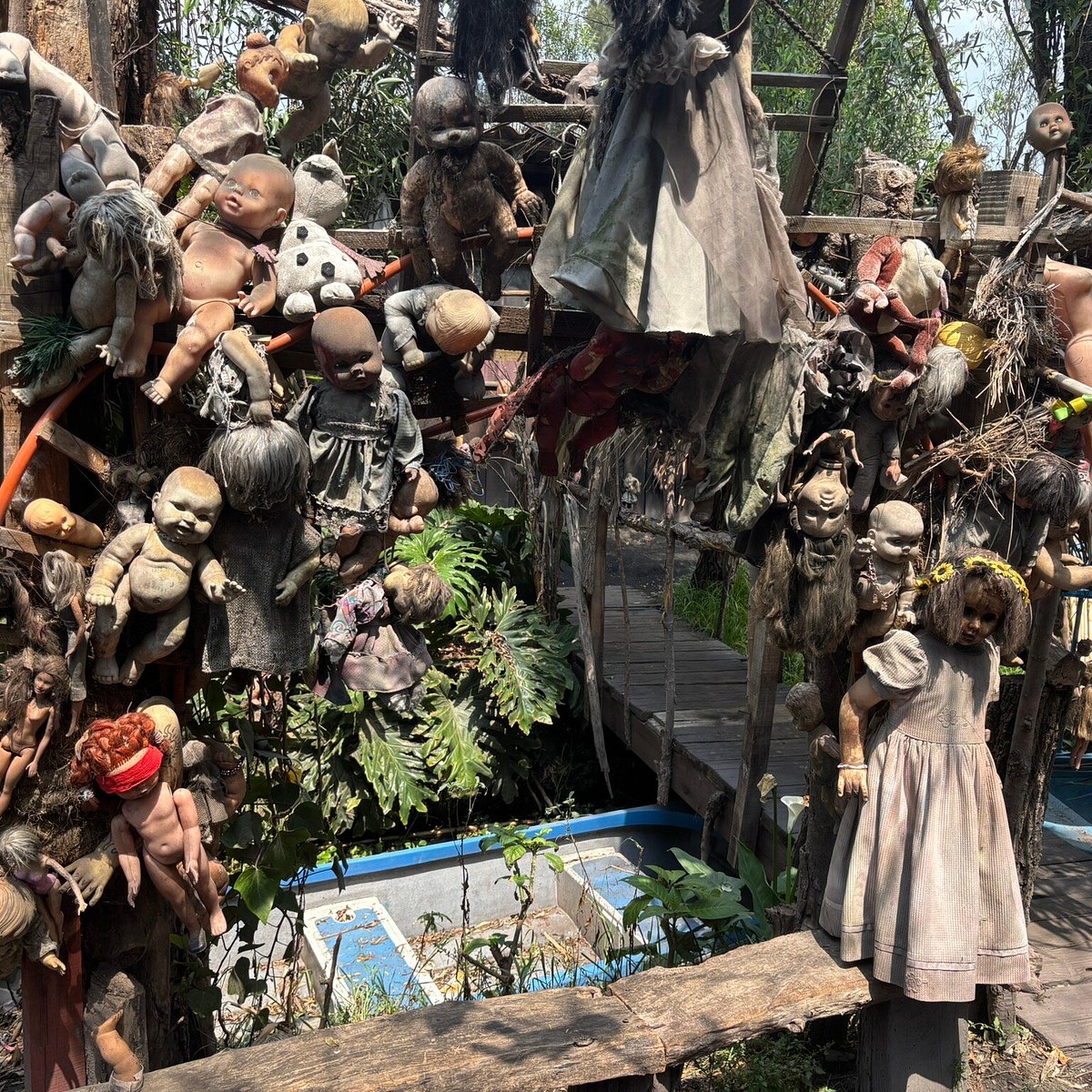
Don Julián Santana Barrera abandoned his wife and children in the 1950s to live alone on a small agricultural island in the Cuemanco area of Xochimilco's southern canals. He claimed to have discovered the body of a young girl who drowned in the canal near his chinampa, and shortly after, he found a doll floating in the same water. Santana hung the doll in a tree as a protective charm for the girl's spirit, marking the start of a compulsion that would consume the rest of his life. No death certificate or missing-person report confirms the drowning, but Santana's belief in the event shaped every action that followed. For fifty years, Santana scavenged dolls from Xochimilco's canals, trash heaps, and the occasional gift from curious visitors who began hearing rumors of the doll-covered island. He hung them from branches, nailed them to tree trunks, and suspended them from wire strung between posts. He rarely cleaned or repaired them. Exposure to sun, rain, and canal humidity turned plastic skin brittle, faded paint from faces, and left limbs dangling at odd angles. Santana told visitors he heard the dolls whisper at night and that they required constant additions to keep the drowned girl's spirit appeased. Family members described him as increasingly isolated and obsessed, though he maintained the chinampa's vegetable plots and sold produce to traders who navigated the canals. On April 17, 2001, Santana's nephew found him dead in the same canal where the girl had allegedly drowned, near the spot where he claimed to have hung the first doll. The cause of death was listed as drowning, though some family members suspected a heart attack or stroke preceded his fall into the water. His death at the site that launched his five-decade ritual fueled supernatural speculation, but no evidence suggests anything beyond tragic coincidence. After Santana's death, his relatives preserved the island as he left it and began charging a small conservation fee for trajinera visits, making Isla de las Muñecas one of Xochimilco's most visited—and most unsettling—canal destinations. The island of the dolls true story guide reveals a site caught between tribute and obsession. The dolls themselves range from vintage 1950s bisque figures to 1990s mass-market toys, their decay creating an unintentional timeline of Santana's collecting. Visitors who navigate the hour-plus trajinera journey from Xochimilco's main embarcaderos encounter roughly two thousand dolls in various states of decomposition, though no official inventory exists. Some hang in clusters that suggest deliberate arrangement, while others dangle alone from high branches, visible only when the boat drifts close to shore. Santana left no written explanation of his ritual's rules or purpose, so interpreting the display remains speculative. Caretakers now maintain the island, adding occasional dolls donated by visitors but leaving Santana's original placements untouched. The 50 MXN conservation fee paid directly to the island's caretaker funds basic upkeep and allows Santana's family to preserve the site without commercializing it into a formal attraction. Whether the drowned girl existed or represented Santana's psychological break, the physical evidence of his belief covers every tree and post on the island. The island of the dolls legend may be disputed, but the decades of solitary labor that created the shrine are verified and visible.
“Santana told visitors he heard the dolls whisper at night and that they required constant additions to keep the drowned girl's spirit appeased.”
The island of the dolls true story begins in 1951, when Julian Santana Barrera left his wife and family in Mexico City to become the sole caretaker of a chinampas plot on a remote island in the Xochimilco canal system. According to documented accounts, Barrera discovered the body of a young girl who had drowned in the canal shortly after his arrival. Days later, he found a doll floating near the same spot. Believing the doll belonged to the dead child, he hung it from a tree as an offering to appease her spirit. Barrera spent the next fifty years collecting dolls from the canals, scavenging them from trash heaps, and trading his home-grown produce with visitors in exchange for more. He hung hundreds of decaying dolls from trees, fences, and buildings across the island. Barrera told visitors that the drowned girl's spirit demanded more dolls, and that he could hear her footsteps at night. Local families who delivered vegetables to Mexico City markets knew him as a recluse who insisted the dolls protected the island from evil. The historia de la isla de las muñecas became a whispered legend among Xochimilco boatmen during the 1980s and 1990s. Barrera died in 2001, found drowned in the same canal where he claimed the girl had died fifty years earlier. His nephew Anastasio Santana inherited the island and opened it to tourists, preserving his uncle's collection. Today, visitors navigate the chinampas waterways to see over one thousand weathered dolls hanging exactly as Barrera left them. Spiders nest in eye sockets, limbs dangle from wires, and faded plastic faces peer through decades of canal mist. The original tree where Barrera hung the first doll in 1951 still stands near the island's center, its branches heavy with his earliest offerings.
Julian Santana Barrera moves to an isolated chinampas island in Xochimilco and discovers a drowned girl's body in the canal.
Barrera finds a doll floating in the canal and hangs it from a tree as an offering to the dead child's spirit.
Barrera collects and hangs over one thousand dolls across the island, claiming the girl's ghost demands them for protection.
The island becomes known among Xochimilco boatmen as a haunted site, though Barrera remains a recluse.
Julian Santana Barrera dies by drowning in the same canal where he found the girl fifty years earlier.
Barrera's nephew Anastasio Santana opens the island to tourists, preserving the doll collection as his uncle left it.
The Island of the Dolls is located in the remote canal zones of Xochimilco at San Lorenzo Tlacoyucan, 16040 Ciudad de México, CDMX, Mexico. Access is exclusively by water, requiring the hire of a trajinera from one of the official public piers.
Take Line 2 (Blue Line) to Tasqueña station, then transfer to the Tren Ligero
Direct transit to Embarcadero Cuemanco or Embarcadero Fernando Celada
Trajinera hire from a registered pier (e.g., Cuemanco or Salitre) to the island
For the most direct route, hire a boat from Embarcadero Cuemanco, as it is geographically closer to the island than the busier central piers. Coordinate your departure within the 07:00–10:00 arrival window to ensure sufficient time for the extended round-trip journey.
The Island of the Dolls remains accessible throughout the week to accommodate visitors traveling via the Xochimilco canal system.
Everything you need to know about island of the dolls true story
The island of the dolls true story centers on Julian Santana Barrera, a recluse who spent decades hanging dolls throughout the area to appease the spirit of a girl he reportedly found deceased in the canals. His actions were intended to protect the land and honor the departed soul. This haunting narrative remains a central part of local Xochimilco folklore.
The dolls found on the island are everyday toys that were collected from the trash or traded for local produce by the former caretaker. They are not artifacts or religious objects, but rather part of a folk-art collection that evolved into a macabre display. Over time, the environment has caused them to decay, contributing to their eerie appearance.
The entrance fee is 50 MXN per person, which is a conservation fee paid directly to the island caretaker upon arrival. Please ensure you have this exact amount in cash to facilitate entry. Other costs, such as boat rentals, are separate from this island access fee.
The best arrival window is 07:00–10:00 to ensure a calm experience before the weekend canal crowds arrive. Visiting on a weekday morning is particularly recommended for those seeking a more tranquil atmosphere at this popular Xochimilco landmark. Planning your transport around these hours helps avoid the peak congestion of the canal system.
Yes, the island is only accessible by trajinera, the traditional wooden boats used in the Xochimilco canal system. You will need to hire a boat from one of the official piers to reach this remote site. We suggest arranging your transport in advance to ensure a smooth journey to the destination.
The site maintains accessibility from 00:00–23:59 daily throughout the week. This schedule allows for flexibility, though arrival during daylight is strongly encouraged for safety and visibility during your canal transit. Always check local conditions before planning your trip to the chinampa.
Visiting this Xochimilco attraction with children is permitted, though the visual nature of the dolls can be unsettling for some younger visitors. Parents should consider the intensity of the atmosphere before deciding to include it in a family itinerary. The boat ride itself is generally considered a highlight for families touring the canals.